 Zoek producten
 nl
nlZN-L1270 Verticaal bewerkingscentrum
Cat:Verticaal bewerkingscentrum
Deze serie bewerkingscentra is bevestigd in een A-vormige enkele kolom, een mobiele structuur van de werkbank, een hoge stijfheid van de basisonder...
Zie Details
The key conclusion is straightforward: high-torque Horizontal Machining Centers are best suited for hard-to-cut materials and heavy roughing operations, while high-spindle-speed models excel in light cutting, fine finishing, and high-volume production of softer materials. When working with steel, cast iron, or large workpieces in a cnc hmc machine, torque dominates performance. In contrast, aluminum, composite materials, and precision finishing tasks benefit more from speed-oriented spindle design. A 5 axis horizontal machining center further enhances flexibility, but the torque vs speed trade-off remains the primary deciding factor.
In practical terms, selecting the wrong configuration can reduce productivity by 20–40%, increase tool wear significantly, and negatively impact surface quality. Therefore, matching machine capability to material type is essential for efficiency and cost control.
In any Horizontal Machining Center, spindle torque determines cutting force capability, while spindle speed determines material removal rate and surface finish quality. High-torque systems typically operate in the range of 300–800 Nm, making them suitable for aggressive cutting. High-speed systems often exceed 12,000–20,000 RPM, enabling smoother finishing and reduced cycle times on softer materials.
In a modern cnc hmc machine environment, these differences directly affect production efficiency, especially when switching between heavy-duty and precision machining tasks.
Different materials respond differently to torque and spindle speed. Selecting the wrong machine configuration can significantly reduce tool life and increase machining time.
For steel and cast iron, high-torque Horizontal Machining Centers deliver superior results due to their ability to sustain heavy cutting loads. Typical roughing operations may use feed rates of 0.2–0.6 mm/tooth, where torque stability is critical.
Aluminum machining benefits from high spindle speeds, often exceeding 15,000 RPM, enabling rapid chip removal and superior surface finish. A high-speed configuration minimizes built-up edge and improves dimensional consistency.
Titanium requires a balanced approach, but torque is generally more important due to low thermal conductivity and high cutting resistance. In such cases, hybrid configurations or advanced 5 axis horizontal machining center setups are often preferred.
Productivity in a Horizontal Machining Center is not only defined by spindle performance but also by automation and axis configuration. A 5 axis horizontal machining center significantly improves part complexity handling while reducing setup times by up to 60%.
Integrated pallet systems and tool changers enhance both high-torque and high-speed machines, but high-speed systems typically benefit more in batch production environments.
Choosing between high-torque and high-speed systems depends heavily on production goals. The table below summarizes typical use cases in a cnc hmc machine environment.
| Machine Type | Best Material | Primary Advantage |
|---|---|---|
| High-Torque HMC | Steel, Cast Iron | Heavy cutting stability |
| High-Speed HMC | Aluminum, Plastics | Fast finishing and high RPM |
| Hybrid Systems | Mixed materials | Balanced torque and speed |
Tool life is directly influenced by the balance between torque and speed. High-torque machining reduces tool chatter in hard materials, extending tool life by up to 25–30%. High-speed machining reduces heat accumulation in softer materials, improving cycle consistency.
However, high-speed systems require stricter thermal control and spindle balancing, which can increase maintenance demands. In contrast, high-torque systems may consume more energy during heavy cuts but provide superior stability under load.
From an economic perspective, selecting the correct configuration in a cnc hmc machine setup can reduce overall production cost by 15–25%, especially in high-volume manufacturing environments.
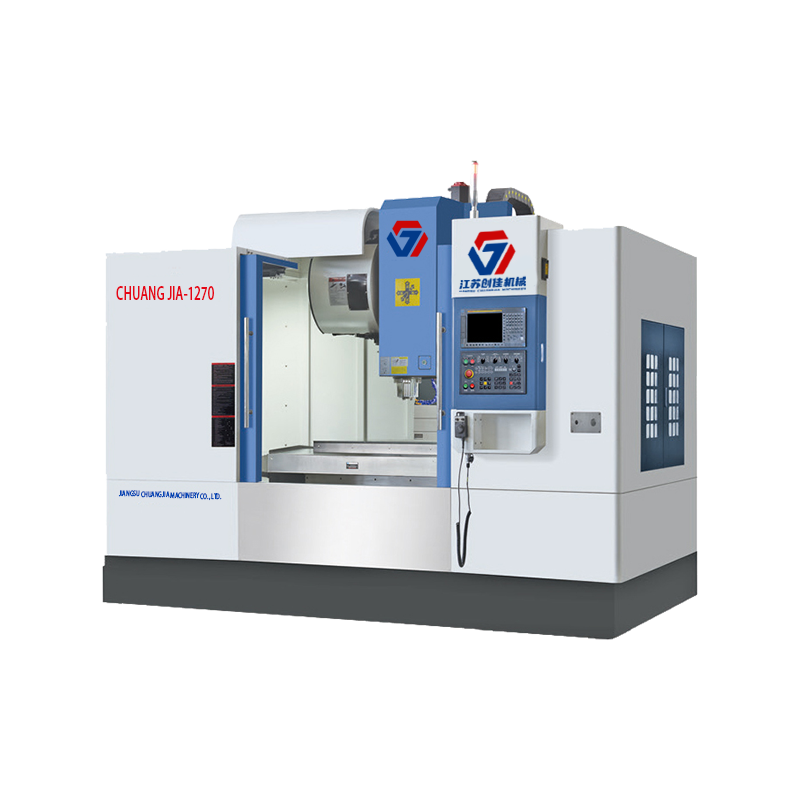
Deze serie bewerkingscentra is bevestigd in een A-vormige enkele kolom, een mobiele structuur van de werkbank, een hoge stijfheid van de basisonder...
Zie Details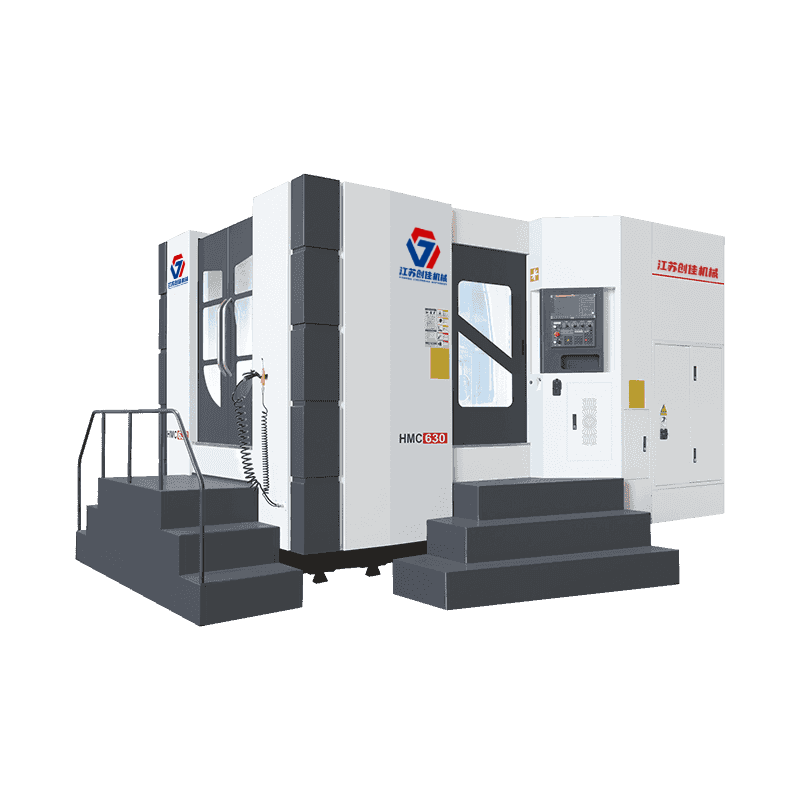
Het bed heeft een onderliggende T-structuur, de tafel beweegt rond (X-as), de vaste kop beweegt op en neer (Y-as) en de kolom beweegt heen en weer ...
Zie Details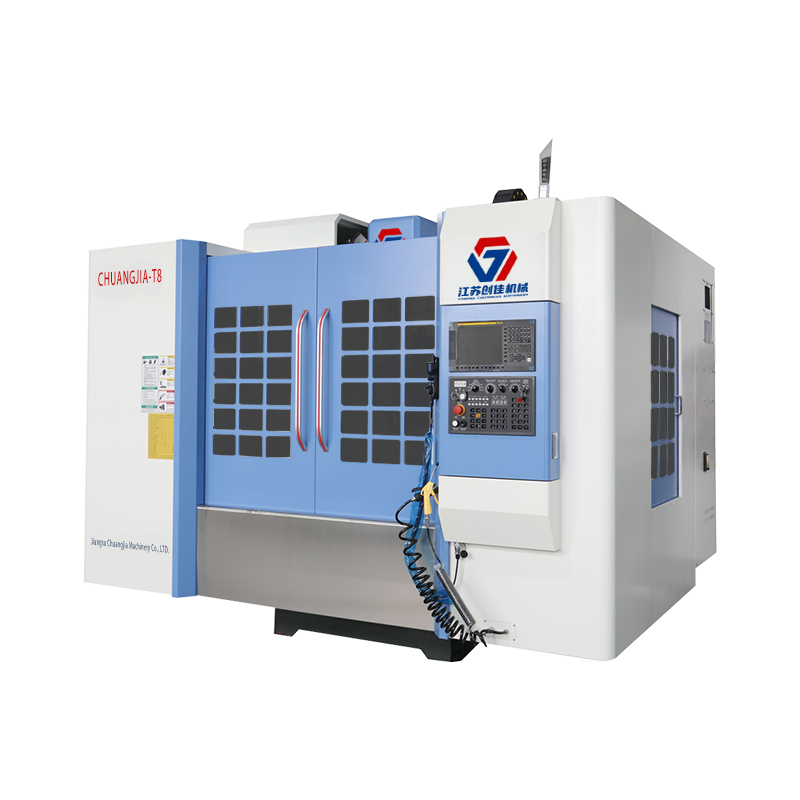
Boor- en tapcentrum ZN-T8 heeft een zorgvuldige bediening, hoge betrouwbaarheid, ultrahoge kostenprestaties, voornamelijk gebruikt in de algemene i...
Zie Details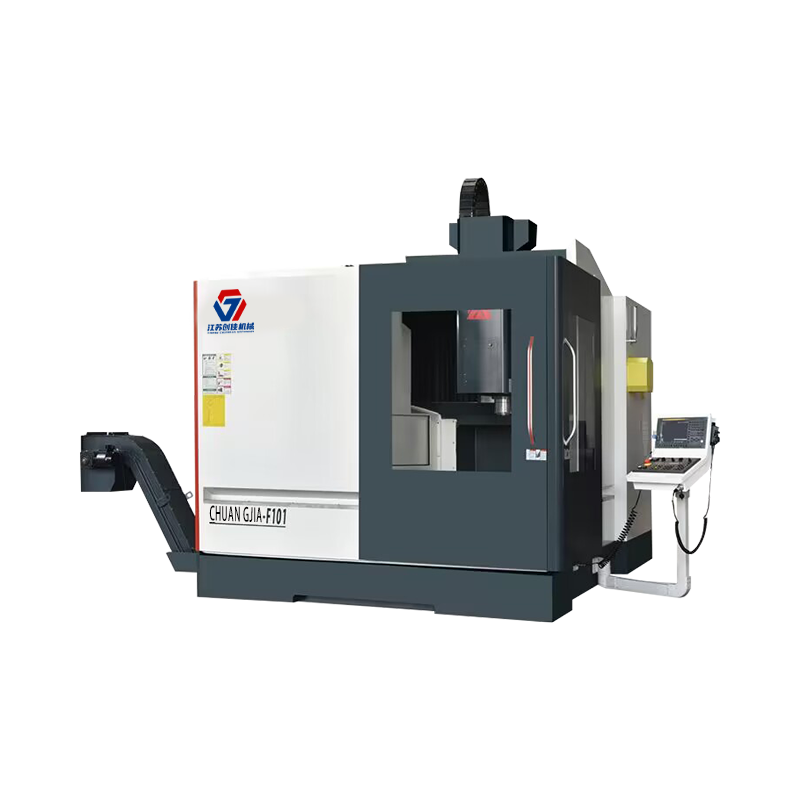
Het drieassige steunoppervlak van deze reeks portaalbewerkingscentra maakt gebruik van een lineaire rolgeleiding voor zwaar gebruik, die gemakkelij...
Zie Details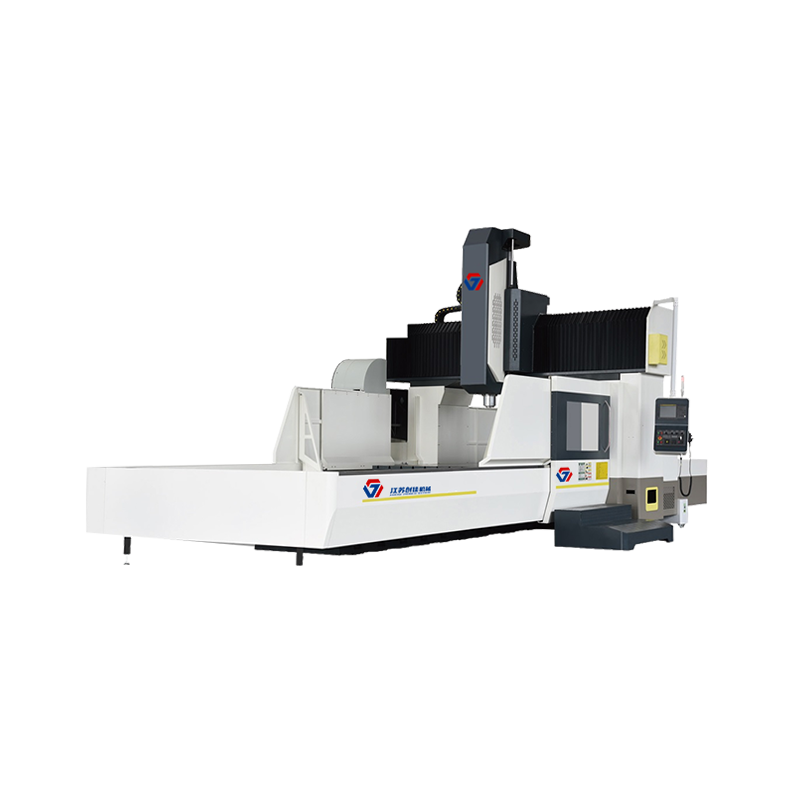
De machine neemt de structuurvorm aan van een groot portaalframe en een bewegende tafel op het bed. Het geïntegreerde ontwerp van de balkkolom heef...
Zie Details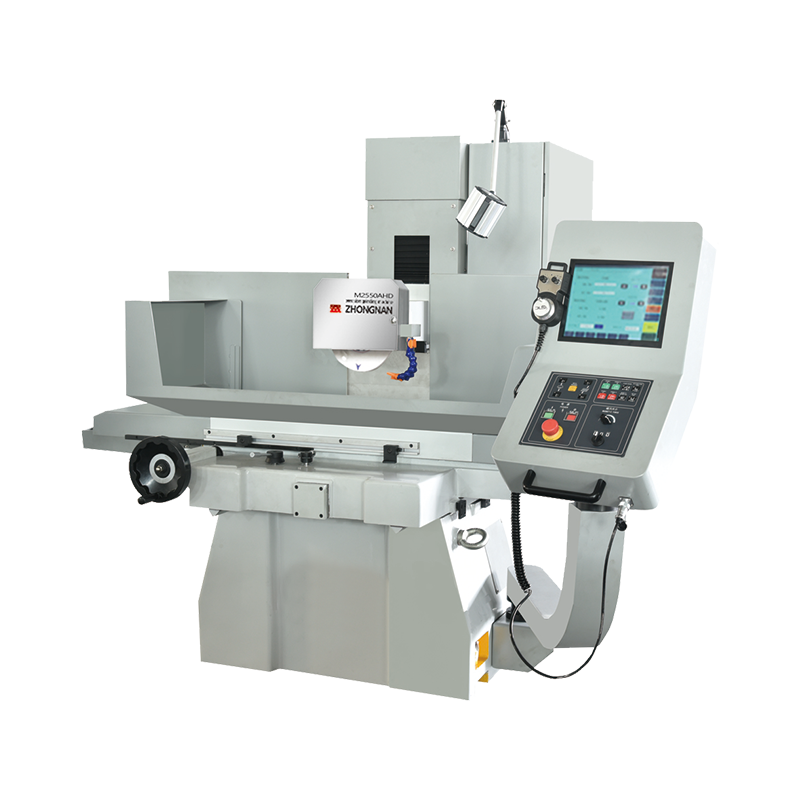
Hoge precisie / hoge snelheid / eenvoudig te bedienen CNC-vlakslijpmachine X-as hydraulisch / YZ-as servo / CNC-systeem. Dwarsschuifstructuur, dubb...
Zie Details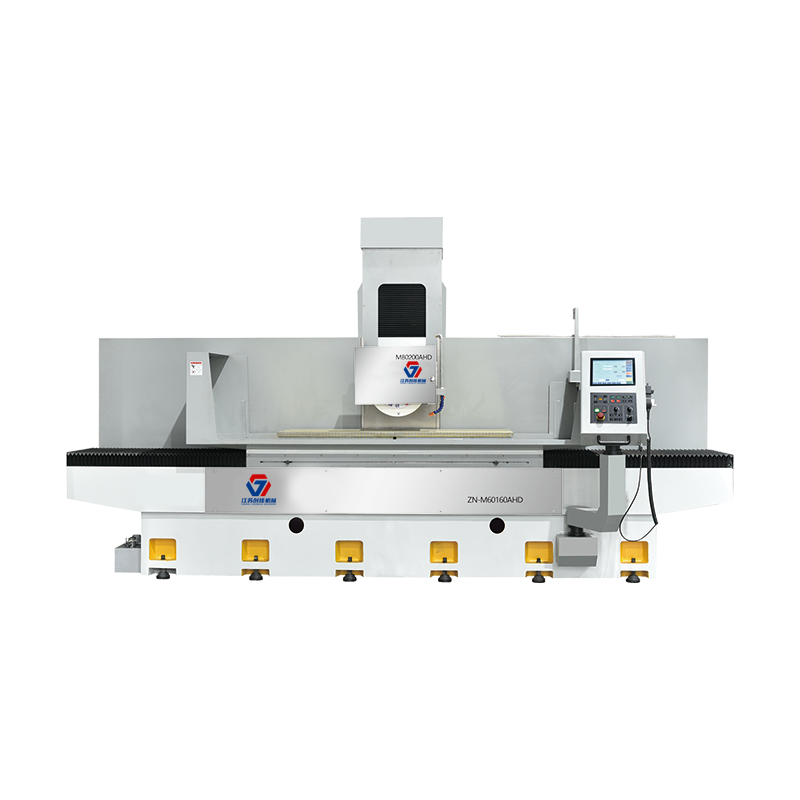
De werktuigmachine is voornamelijk geschikt voor het nauwkeurig slijpen van verschillende metalen materialen, zoals vlak, stap en specifieke vorm, ...
Zie Details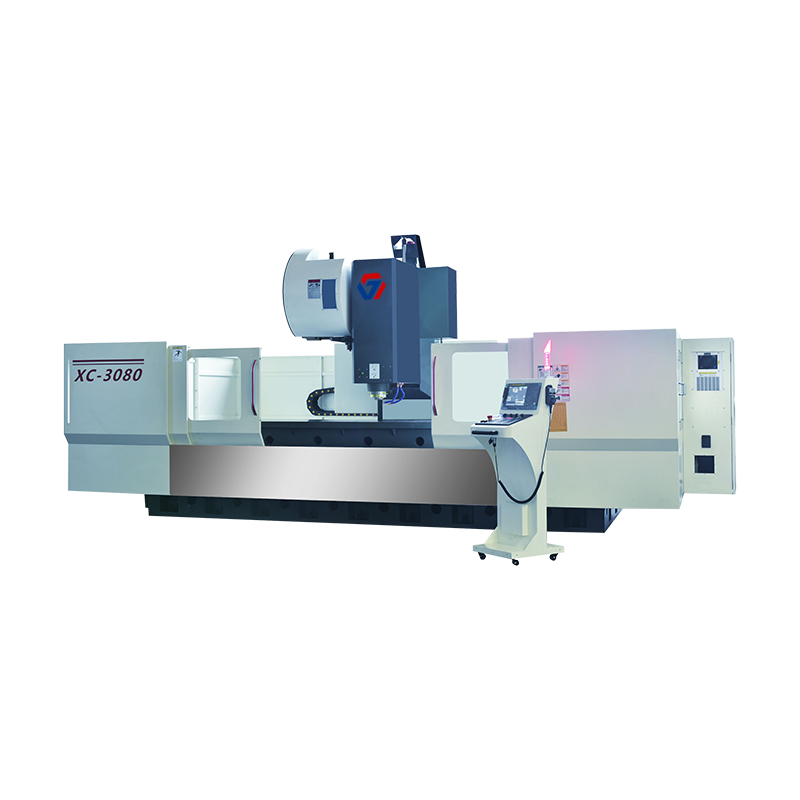
Werk voornamelijk de interne profielen van spoorlocomotieven; Kleine en lange delen van auto's; TV-frames, koelkastframes, behuizingen voor co...
Zie Details
All rights reserved Jiangsu Chuangjia Machinery Co., LTD.
